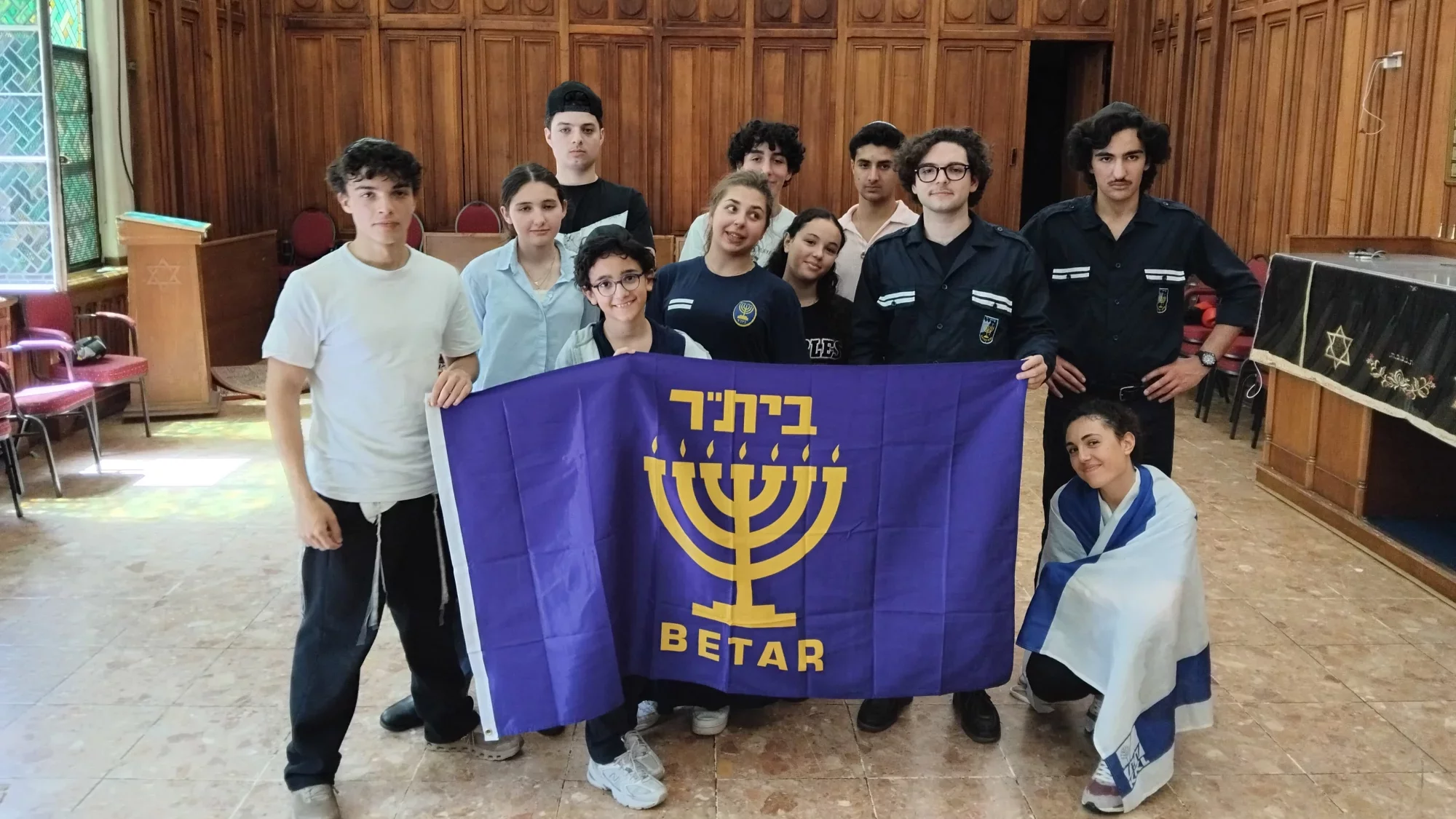
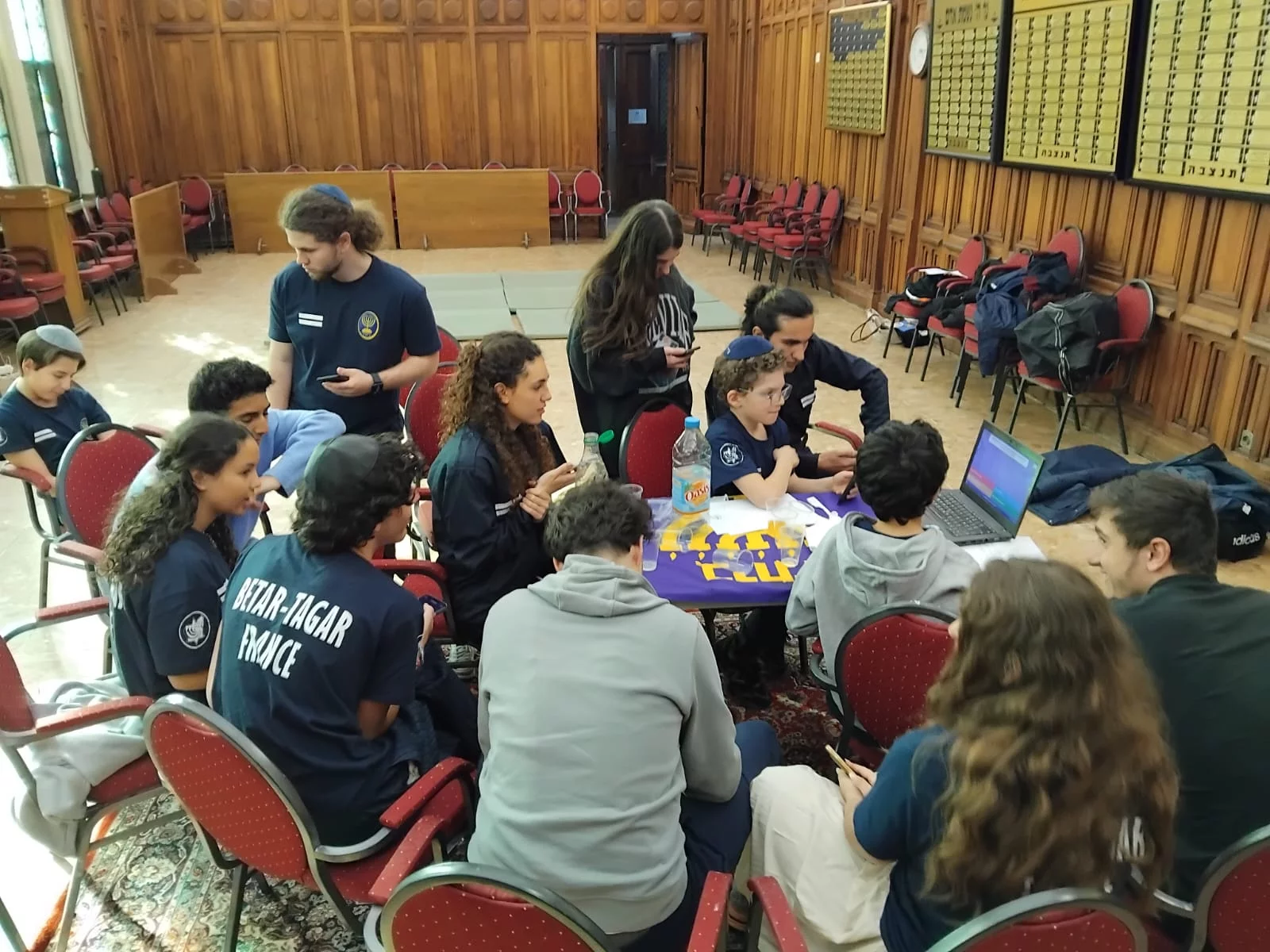
On September 29, 2025, in Neuilly-sur-Seine, several generations of Betarim gather to celebrate the relaunch of Betar France. Veteran activists stand alongside the movement's new leaders, in the presence of representatives from the global Betar organization who have traveled from Israel. For some, this ceremony evokes the years when Betar played a significant role in the lives of Jewish youth in Paris. For the younger generation, it marks the beginning of an adventure with roots stretching back nearly a century.
The Parisian origins of Betar
The history of Betar in France begins in interwar Paris, within a Jewish community shaped by immigration from Eastern Europe. Among the newcomers were young Zionists who saw the creation of a Jewish national home in Mandatory Palestine as a response to persecution and European antisemitism.
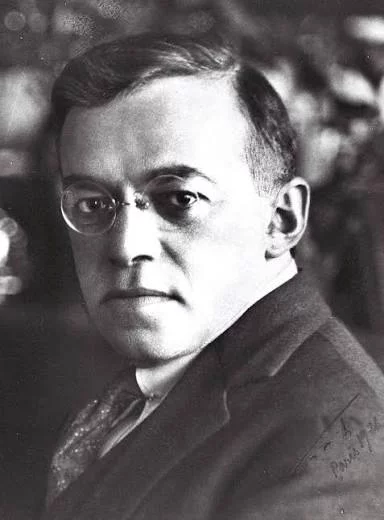
At that time, Paris was one of the main centers of Revisionist Zionism. In 1925, Ze'ev Jabotinsky founded the Union of Revisionist Zionists there and advocated a firmer policy toward the British authorities. The Russian-language newspaper Rassviet, to which he contributed, helped disseminate his ideas among European Jewish communities.
Founded in 1923 in Riga, Latvia, Betar draws inspiration from this ideology. Its name, Brit Yosef Trumpeldor, pays tribute to Joseph Trumpeldor—who fell at Tel Hai in 1920—and evokes the fortress of Betar, the last major stronghold of the Bar Kokhba revolt against Rome. The movement gradually established itself in France during the late 1920s and early 1930s, driven notably by young Jews from Eastern Europe.
A youth trained for Zionist commitment
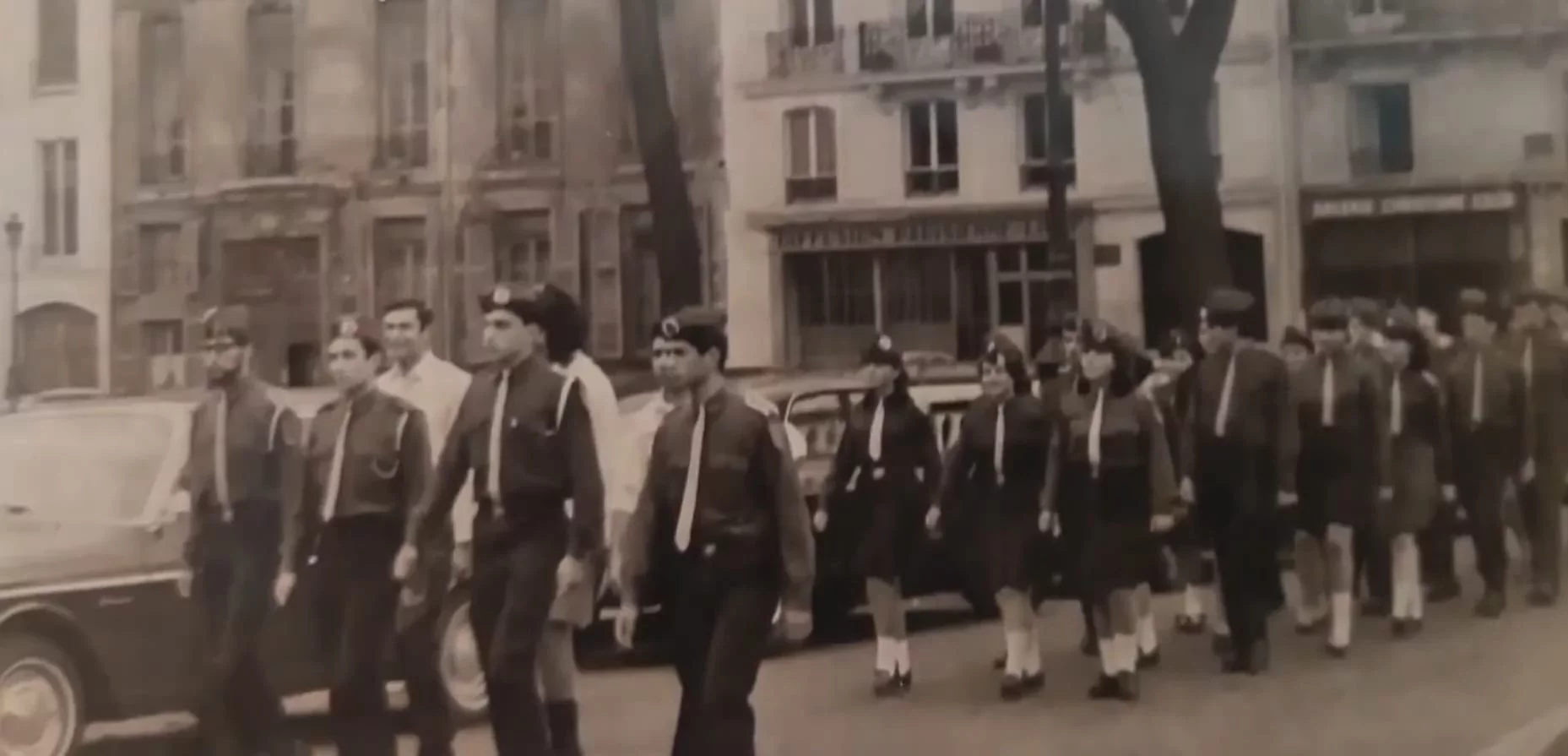
For Jabotinsky, the Jewish national revival required a youth that was educated, disciplined, and capable of securing its own future. In Betar, education is based on learning Hebrew, studying Jewish history, physical training, and preparation for Aliyah. The movement also places central importance on Hadar—an ideal of personal dignity, respect, and moral integrity developed by Jabotinsky.
Victor Mirkin was among the first French Betarim. Born in the Russian Empire in 1909 and having arrived in France after the Bolshevik Revolution, he studied law before becoming a lawyer. Betar lore credits him, in particular, with introducing judo into the training of young members. Having settled in Palestine in 1937, he joined the Free French Forces in October 1940 and took part in the campaigns in Libya, Syria, Egypt, and Italy, followed by the liberation of France.
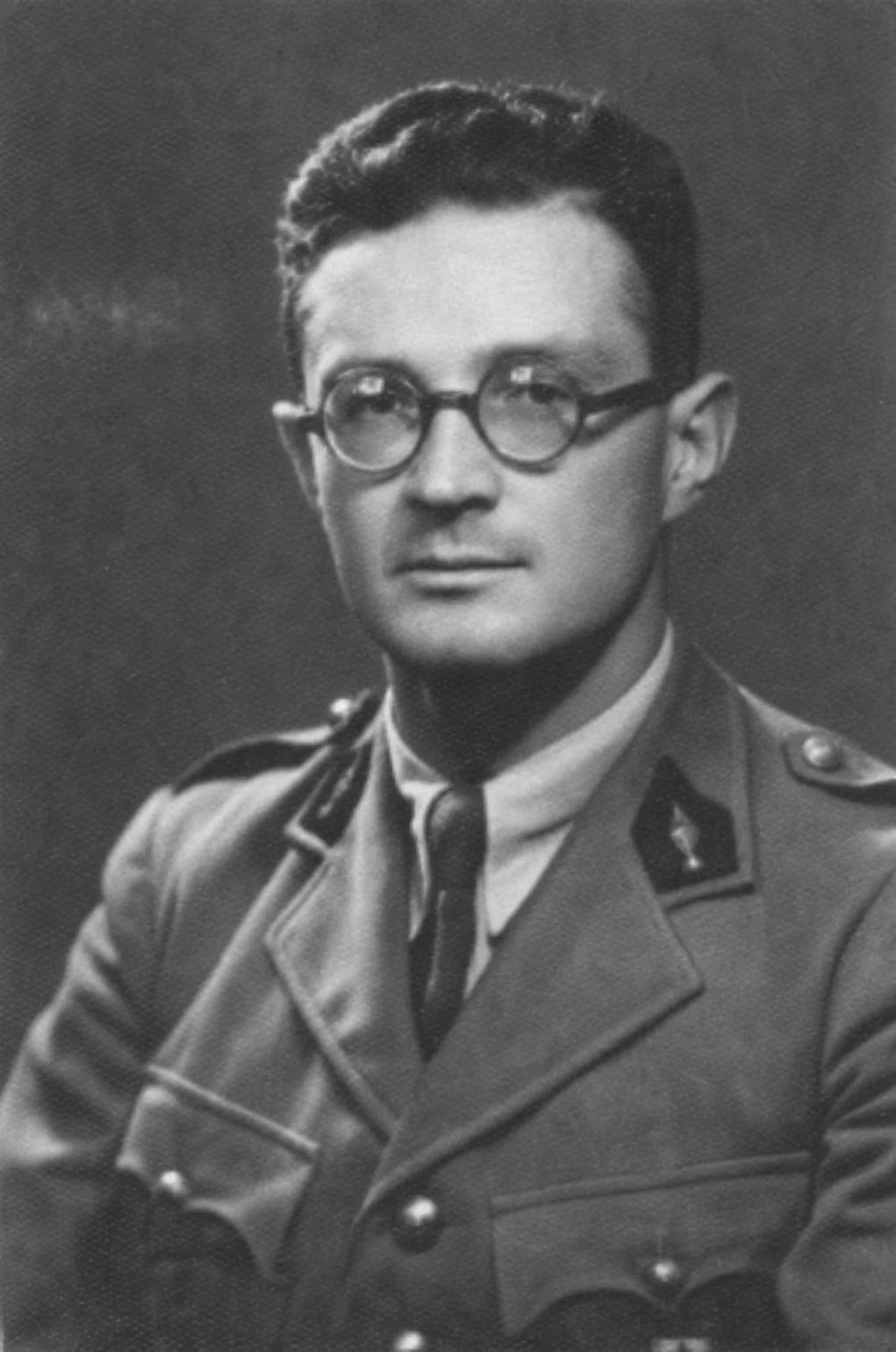
On November 24, 1944, Mirkin fell in battle at Grosmagny, in the Territoire de Belfort, while leading his men in an assault on the village. He was 34 years old. He was posthumously named a Companion of the Liberation in July 1945. His story remains a symbol of the commitment of that first generation of Betarim—dedicated both to the Jewish national revival and to the liberation of France.
The War and Jewish Resistance
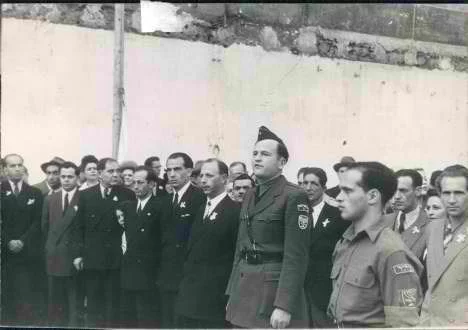
The Second World War profoundly disrupted Jewish youth organizations. Under the Occupation, some activists joined underground networks to save Jews threatened with deportation.
In May 1942, several Zionist factions gathered in Montpellier to form the Zionist Youth Movement (MJS). Bringing together diverse political and religious perspectives, the movement was notably involved in forging documents, protecting Jewish children, and organizing clandestine crossings into Switzerland. This resistance effort represents a vital chapter in the history of Zionist youth in France.
The rise of the movement after the creation of Israel
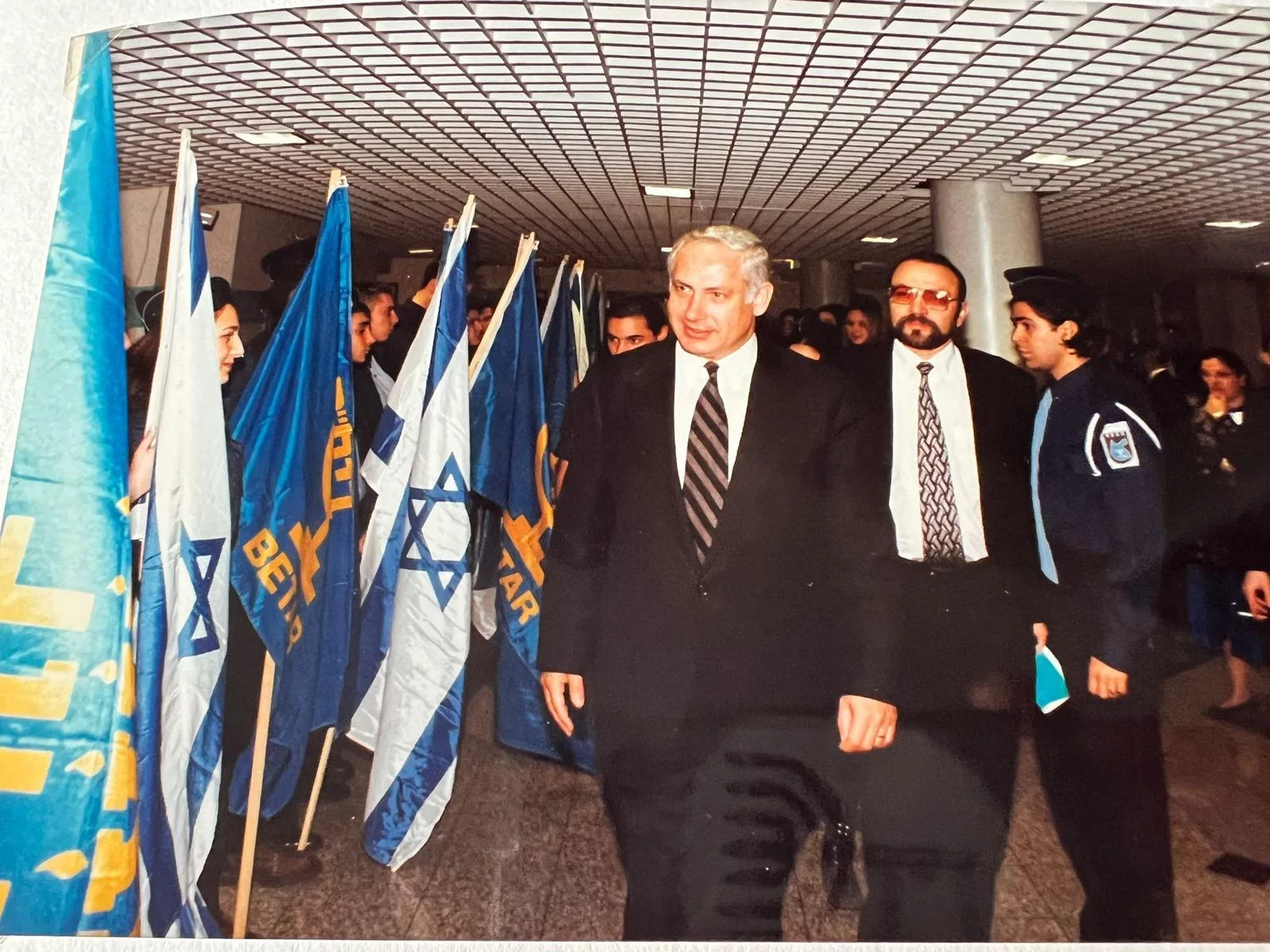
The creation of the State of Israel in 1948 ushered in a new era. Betar continued its educational mission in France and developed its ties with the young state. From the 1960s onwards, its activities played a significant role in community life, particularly in Paris.
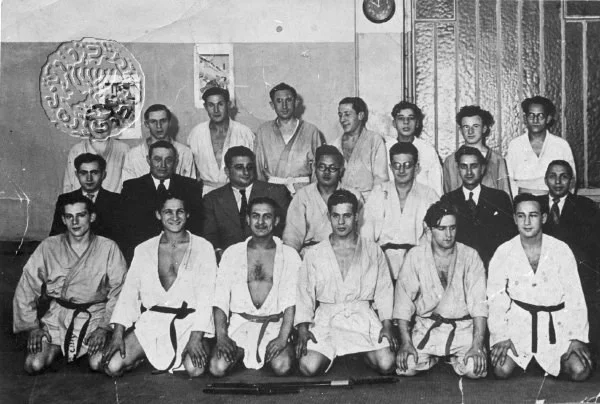
Peoulot—weekly educational activities—and mahanot—camps organized notably in Israel—shape the lives of many adolescents. The premises at 59 Boulevard de Strasbourg, in Paris's 10th arrondissement, become one of the movement's main gathering places. On the night of December 17–18, 1978, the site is targeted by a bombing claimed by individuals voicing antisemitic sentiments. There are no injuries.
Over the following decades, Jacques Kupfer established himself as a prominent figure in French Revisionist Zionism. A former leader of Betar and Likud in France, he played a significant role in shaping several generations of activists before continuing his activism in Israel.
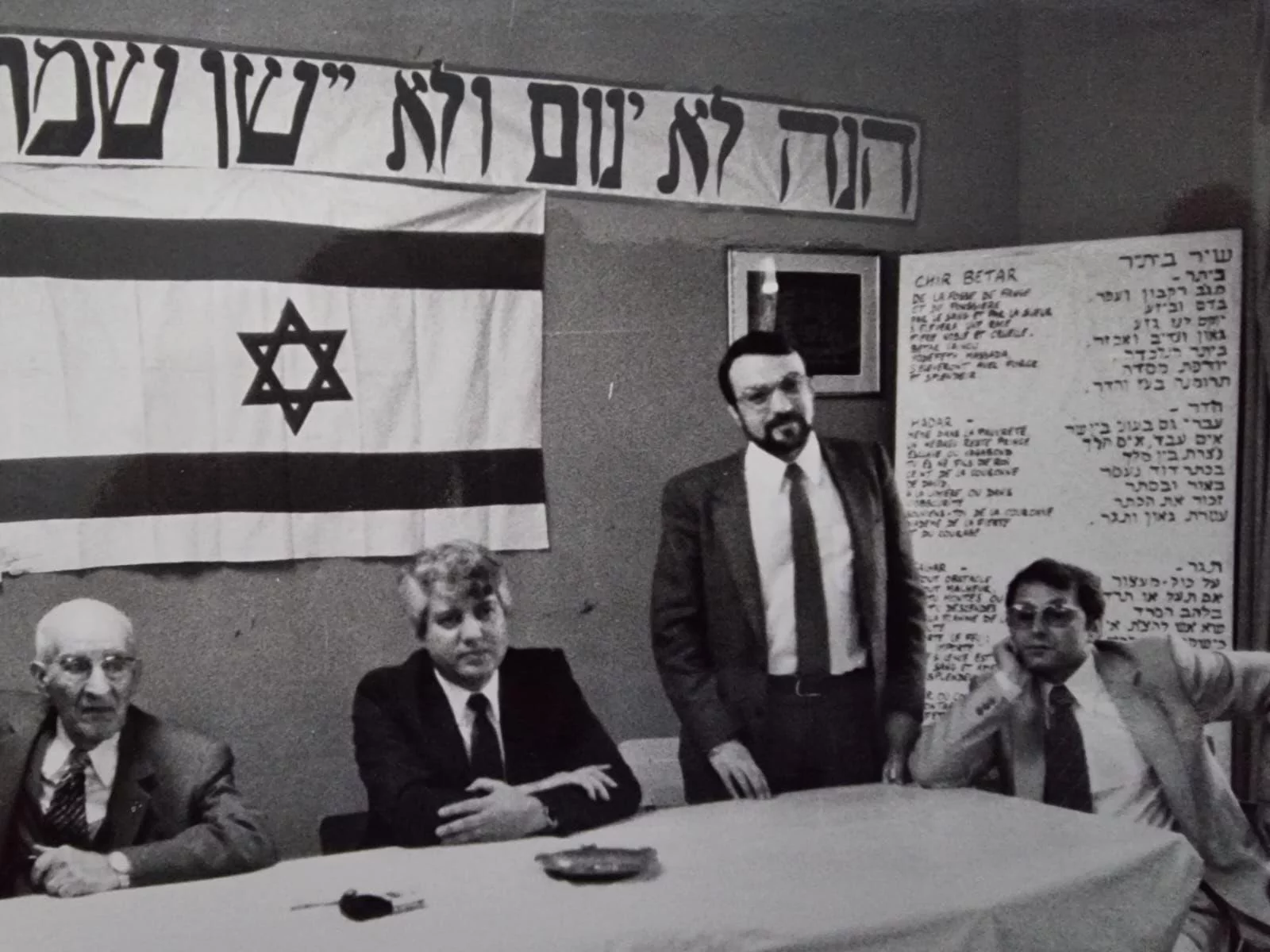
The movement also developed its student branch, Tagar, which was particularly active during the 1980s and 1990s. Its activists participated in mobilizations against antisemitism, efforts to support Israel, and campaigns advocating for Jews in the Soviet Union who wished to emigrate. This activism—at times marked by confrontations and controversies—contributed to Betar's visibility within the French community landscape.
From the slowdown to the 2025 recovery
From the 2000s onwards, Betar experienced a gradual decline in its youth activities. The departure of many leaders for Israel and difficulties in renewing its teams weakened the organization's operations. In the 2010s, the movement maintained an activist presence, but regular educational activities became less frequent.
In 2024, Frédéric Nordmann, president of Betar France, entrusted the French Jewish Student Movement (MEJF) with the mission of revitalizing the youth movement. This initiative comes against the backdrop of the October 7, 2023 attacks in Israel and a resurgence of antisemitism in France.
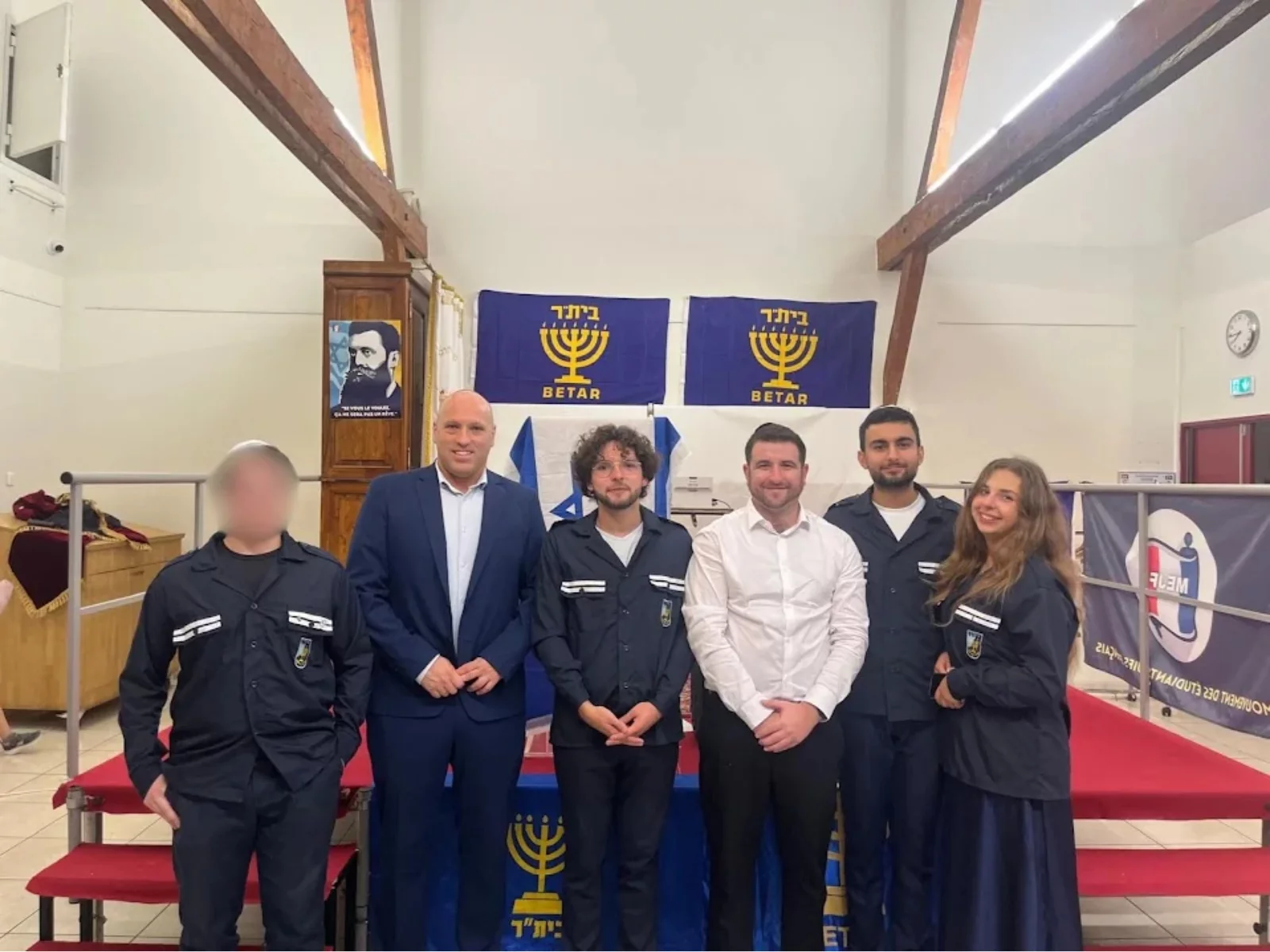
Supported by former Betar members—particularly those based in Israel—the new leadership set about rebuilding the movement's educational activities. Peulot (activities), Hebrew language learning, Jewish history, and the training of madrikhim (youth leaders) gradually regained their place. At the same time, the MEJF positioned itself as a continuation of Betar's historic student branch.
Formalized during the ceremony on September 29, 2025, in Neuilly-sur-Seine, this relaunch marks the return of a regular organization for adolescents. In 2026, the movement is continuing its development and seeking to train a new generation of leaders capable of ensuring its long-term future.
A legacy to keep alive
Nearly a century after its establishment in France, Betar has undergone several transformations. Born within the community of Jewish immigrants from Eastern Europe, it weathered the war, accompanied Israel’s early decades, and took part in major mobilizations of French Jewry.
Its history is that of well-known figures such as Victor Mirkin and Jacques Kupfer, but also of hundreds of madrikhim and young activists who have driven its activities over the decades.
The 2025 relaunch opens a new chapter. It now raises the question of how to pass on this legacy to a generation that experienced neither the large Betar summer camps nor the mobilizations of the 1980s.
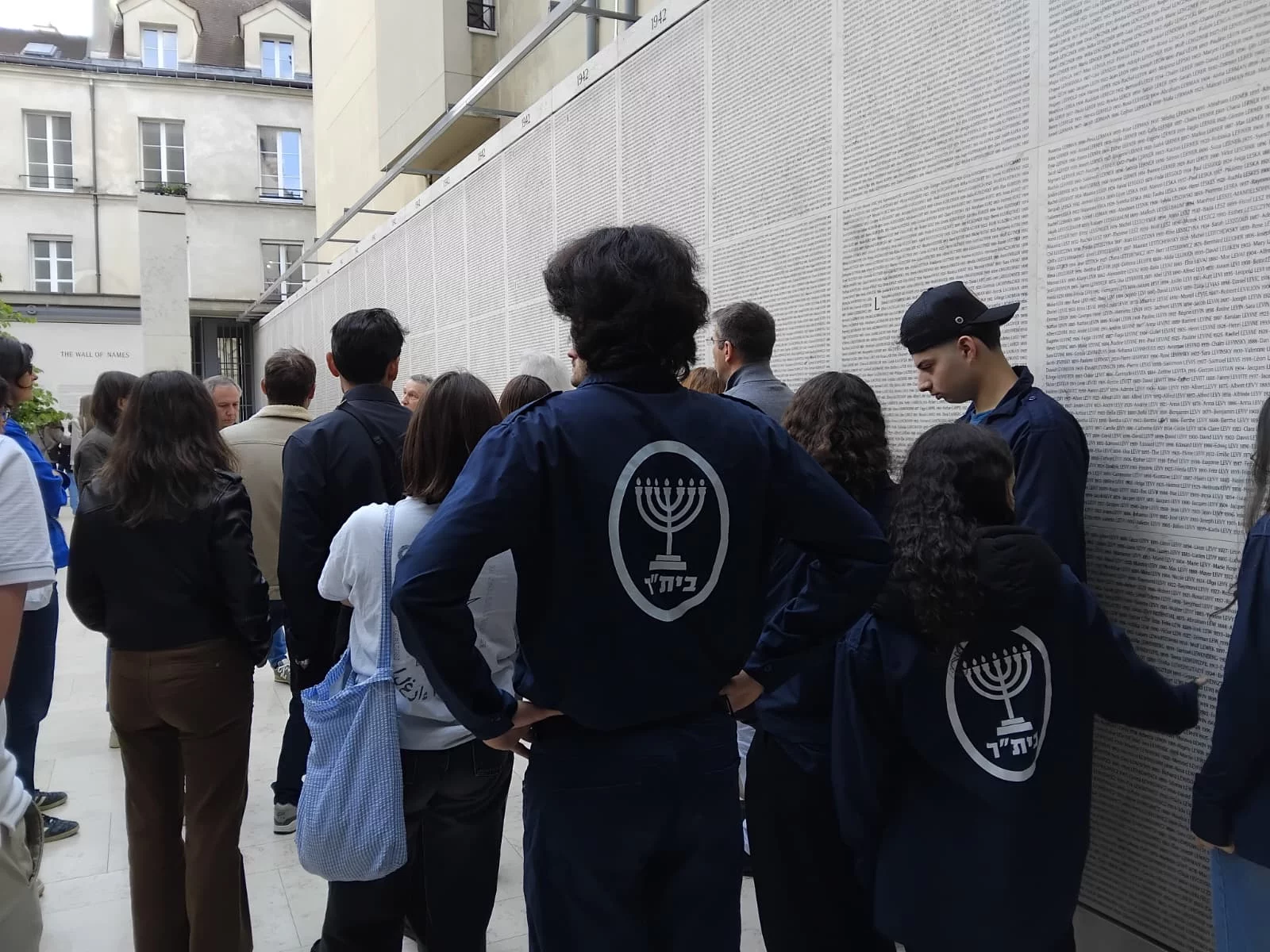
In Paris, nearly a century after the first Betarim, teenagers continue to study Hebrew, discover their people's history, and train in the principles of Revisionist Zionism. It is a way of carrying on the mission Jabotinsky assigned to the movement at its inception.
Tel Hai.
Sources
- "Order of Liberation — Victor Mirkin" (https://www.ordredelaliberation.fr/fr/compagnons/victor-mirkin)
- "Resistance Foundation — The Zionist Youth Movement (2022)" (https://www.fondationresistance.org/documents/lettre/LettreResistance111.pdf)
- "Le Monde — Attack on a Zionist organization (December 19, 1978)" (https://www.lemonde.fr/archives/article/1978/12/19/attentat-contre-une-organisation-sioniste-d-extreme-droite_2985288_1819218.html)
- "Le Monde — Betar: Radical and Rough (May 16, 1990)" (https://www.lemonde.fr/archives/article/1990/05/16/le-betar-radical-et-rugueux_3962351_1819218.html)
- "The Times of Israel — Death of Jacques Kupfer (2021)" (https://fr.timesofisrael.com/deces-du-militant-sioniste-jacques-kupfer/)